

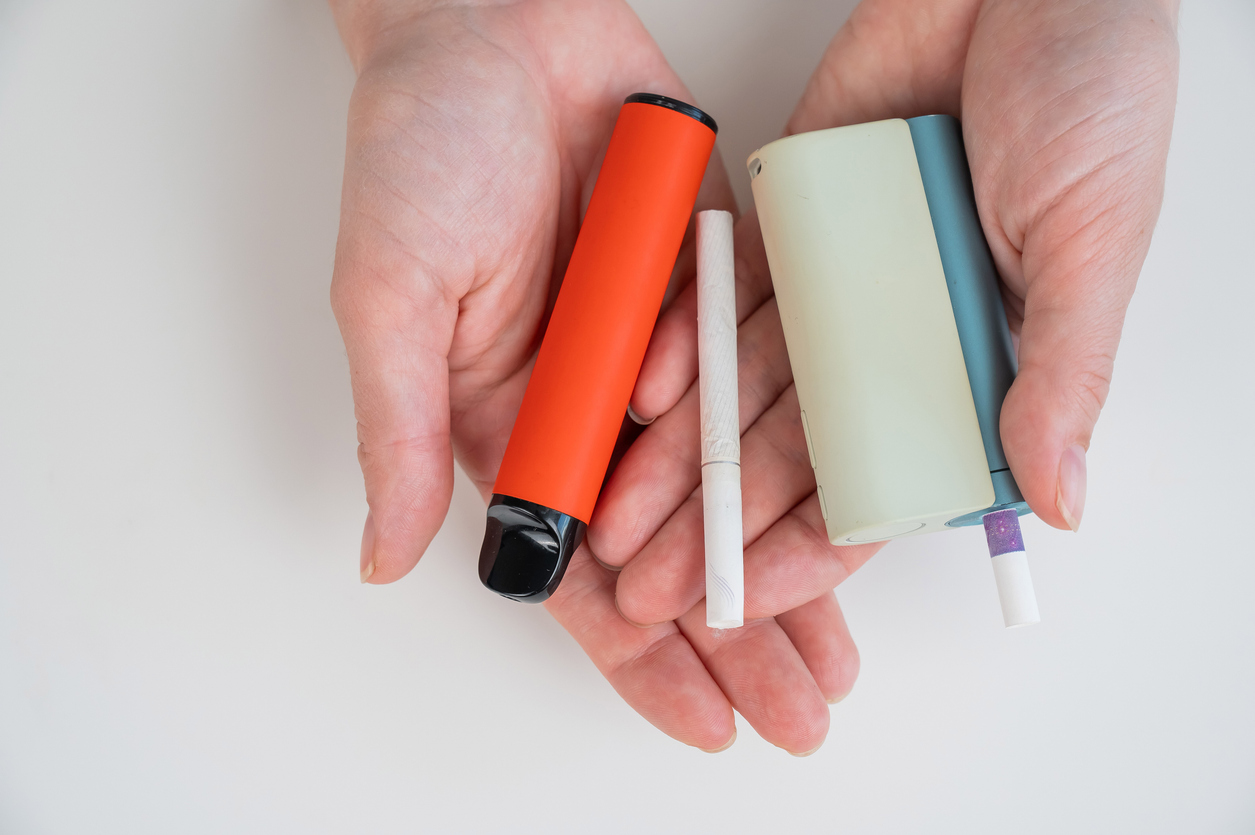
Florida lawmakers are advancing House Bill 377, a measure that would significantly clarify how heated tobacco products are classified for tax and regulatory purposes under state law. The bill reflects an effort to modernize statutes that were originally drafted for combustible cigarettes and traditional loose tobacco products, long before heated tobacco technology entered the marketplace. If enacted, HB 377 would take effect on July 1, 2026, giving manufacturers, distributors, and retailers time to reassess compliance strategies and product classifications.
At the center of HB 377 is a deliberate restructuring of how heated tobacco products are treated within Chapter 210, Florida Statutes. The bill amends the statutory definition of “cigarette” to expressly exclude heated tobacco products, making clear that products which heat tobacco without combustion are not cigarettes for Florida tax purposes. This change removes heated tobacco products from Florida’s cigarette excise tax regime, including stamp requirements and cigarette-specific reporting obligations. The Legislature’s intent appears to be to draw a clear distinction between traditional combustible products and newer non-combustion technologies.
Importantly, HB 377 does not simply shift heated tobacco products into Florida’s existing “other tobacco products” (OTP) tax structure. Instead, the bill explicitly removes heated tobacco products from that category as well. HB 377 renames Part II of Chapter 210 to apply only to tobacco products “other than cigarettes, heated tobacco products, or cigars,” and amends the OTP definition to state that heated tobacco products are excluded. As a result, heated tobacco products are carved out of both of Florida’s legacy excise tax frameworks rather than being taxed by analogy under statutes designed for different products.
To support this structure, HB 377 creates a standalone statutory definition of “heated tobacco product.” The bill defines such products as those containing tobacco that are used in an electronic device with a heat source that does not involve combustion and that produce an inhalable aerosol without smoke. This definition is likely intended to reduce disputes over product classification in audits and assessments, where disagreements often arise over whether a product should be taxed as a cigarette or as loose tobacco. By defining heated tobacco products affirmatively, rather than by exclusion alone, the Legislature provides greater clarity for both taxpayers and regulators.
While HB 377 removes heated tobacco products from cigarette and OTP excise taxation, it does not deregulate them. The bill amends Chapter 569, Florida Statutes, to include heated tobacco products within the definition of “tobacco products” for purposes of retail regulation, licensing, and youth-access restrictions. This means that heated tobacco products would continue to be subject to Florida’s tobacco sales restrictions, permitting requirements, and enforcement authority, even though they are excluded from existing excise tax categories. The separation of tax treatment from regulatory control reflects a growing trend in state legislation addressing emerging nicotine technologies.
HB 377 is advancing alongside other Florida legislation aimed at the nicotine and vapor marketplace, including proposed restrictions on vape advertising and marketing. Taken together, these measures signal that Florida regulators are pursuing greater clarity in tax classification while simultaneously maintaining a firm regulatory posture over sales and distribution. For businesses operating in this space, the message is that evolving product technology does not reduce compliance obligations; rather, it shifts where and how those obligations apply.
For manufacturers, distributors, and retailers, HB 377 underscores the importance of closely monitoring statutory definitions and not assuming that historical tax treatment will continue to apply. Businesses dealing in heated tobacco products should evaluate whether current tax payments align with Florida law as written today and consider how the bill’s reclassification could affect future liability, audit exposure, or refund opportunities. As Florida continues to refine its approach to heated tobacco products, proactive compliance planning will be essential to navigating the transition once these changes take effect.



.2409241359572.jpg)